
 EN
EN
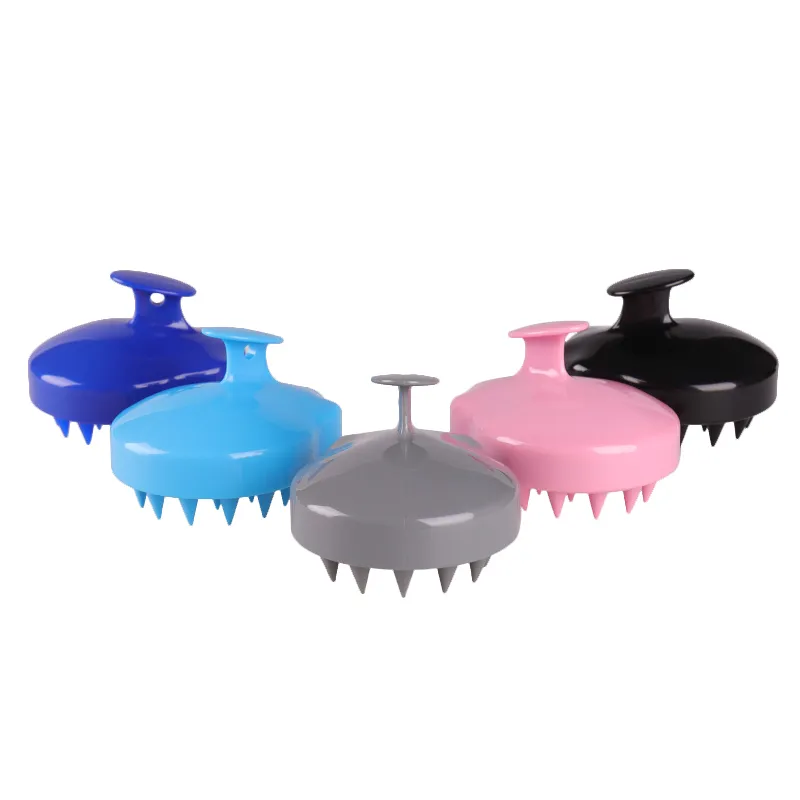
How a Scalp Massager Supports Sleep: The Science Behind Relaxation and Neurophysiology
Parasympathetic Activation and Cortisol Reduction Through Scalp Stimulation
The scalp is densely innervated with nerve endings that connect directly to the autonomic nervous system. Targeted stimulation—whether via fingertips or a well-designed massager—triggers a shift from the sympathetic “fight or flight” state to the parasympathetic “rest and digest” mode. This transition begins with vagus nerve activation, a key pathway for physiological calm. As parasympathetic tone increases, heart rate variability improves and respiration deepens—both validated biomarkers of reduced stress. Critically, peer-reviewed research shows that just 10 minutes of consistent scalp stimulation can lower cortisol levels by approximately 30%, directly counteracting the hyperarousal that delays sleep onset. By quieting both physical tension and neurological alertness, scalp massage serves as an accessible, non-pharmacological primer for rest.
Serotonin–Melatonin Pathway Modulation and Enhanced Cerebral Blood Flow
Scalp massage also supports sleep architecture through biochemical and circulatory mechanisms. Rhythmic pressure stimulates serotonin release—a neurotransmitter essential not only for mood regulation but also as the direct precursor to melatonin. Elevated serotonin availability in the evening supports robust melatonin synthesis later in the night, reinforcing natural circadian timing. Concurrently, gentle mechanical input dilates superficial blood vessels and eases myofascial tension in the scalp’s connective tissues, boosting cerebral blood flow. This enhanced perfusion delivers oxygen and nutrients to neurons while aiding glymphatic clearance—the brain’s waste-removal system active during sleep. Together, these effects foster an internal environment conducive to rapid sleep onset and deeper, more restorative slow-wave and REM sleep.
Evidence-Based Scalp Massage Techniques and Best Practices for Sleep Onset
Step-by-Step Self-Administered Scalp Massage Protocol for Pre-Bedtime Use
Sit comfortably in a quiet, dimly lit space. Place your thumbs gently on your temples and use your fingertips to apply slow, circular pressure across the scalp—starting at the forehead hairline, moving upward toward the crown, then down along the occipital ridge. Pause briefly on tender areas (common sites of tension buildup), applying moderate, pain-free pressure—enough to engage tissue without discomfort. Synchronize movements with diaphragmatic breathing: inhale for four counts, exhale for six. This extended exhalation further activates the vagus nerve and deepens relaxation. A 2023 randomized controlled trial published in Sleep Health found that participants using this 10-minute protocol nightly experienced significantly shorter sleep latency and increased total sleep time after two weeks. For best results, practice consistently—and pair it with other wind-down habits like screen reduction and temperature control.
Manual vs. Device-Based Scalp Massager Comparison: Efficacy, Safety, and User Fit
| Dimension | Manual (Fingertip) Massage | Device-Based Scalp Massager |
|---|---|---|
| Efficacy for sleep | High—offers real-time proprioceptive feedback and precise pressure modulation | Moderate—provides uniform, rhythmic stimulation; ideal for passive relaxation and consistency |
| Safety | Very low risk when performed gently; avoid excessive force or scratching | Low risk; select devices with soft, rounded silicone nodes and adjustable intensity to prevent irritation |
| User fit | Best for those seeking mindfulness, tactile awareness, and targeted relief | Ideal for individuals with hand fatigue, arthritis, or limited dexterity—or those preferring hands-free ease |
Both approaches reliably support sleep physiology when used pre-bedtime: they reduce cortisol, elevate serotonin, and improve cerebral perfusion. Manual massage excels in adaptability and neuroceptive engagement; device-based tools offer reproducibility and accessibility. Whichever method you choose, consistency—and pairing it with a calming routine—is what drives measurable improvements in sleep onset and quality.
Addressing Scalp and Neck Tension to Reduce Sleep Latency
Myofascial Connections Between Scalp Tightness, Cervical Tone, and Delayed Sleep Onset
Chronic tension in the scalp and upper cervical region is a silent contributor to prolonged sleep latency. Prolonged screen use, stress, and poor posture often manifest as tightness in the occipitalis, temporalis, and suboccipital muscles—tissues tightly integrated with the scalp’s fascial network. When these areas remain hypertonic, they sustain low-grade neural signaling to the brainstem, effectively maintaining sympathetic vigilance and inhibiting the relaxation needed for sleep initiation. This tension also correlates strongly with tension-type headaches and nocturnal awakenings. A targeted scalp massage interrupts this loop: mechanoreceptor stimulation sends inhibitory signals via spinal and cranial nerves, dampening sympathetic output and lowering cervical muscle tone. Simultaneously, improved local circulation helps resolve metabolic fatigue in overworked musculature. Because the scalp and neck share fascial continuity and autonomic innervation, addressing them together—using either manual technique or a well-fitted scalp massager—represents a physiologically grounded strategy to reduce sleep latency and enhance overall sleep resilience.
FAQ
What is the role of a scalp massager in improving sleep?
A scalp massager supports sleep by reducing stress, lowering cortisol levels, improving serotonin production, and enhancing cerebral blood flow. These effects collectively help the body relax and prepare for better sleep quality.
Can scalp massage help with sleep latency?
Yes, consistent scalp massage—either manually or with a device—can reduce sleep latency by easing tension in the scalp and neck, increasing relaxation, and supporting parasympathetic nervous system activation.
How long should I perform a scalp massage before bed?
A 10-minute pre-bedtime self-administered scalp massage is recommended for optimal results, as supported by research studies.
Which is better for sleep: manual or device-based scalp massagers?
Both are effective. Manual massagers provide tactile feedback and adaptability, whereas device-based massagers offer convenience and consistent results. The choice depends on personal preference and specific needs.
What are the benefits of addressing scalp and neck tension for sleep?
Reducing tension in the scalp and neck alleviates sympathetic nervous system activation, improves circulation, and prepares the body for restful sleep by lowering physical and neurological alertness.