
 EN
EN
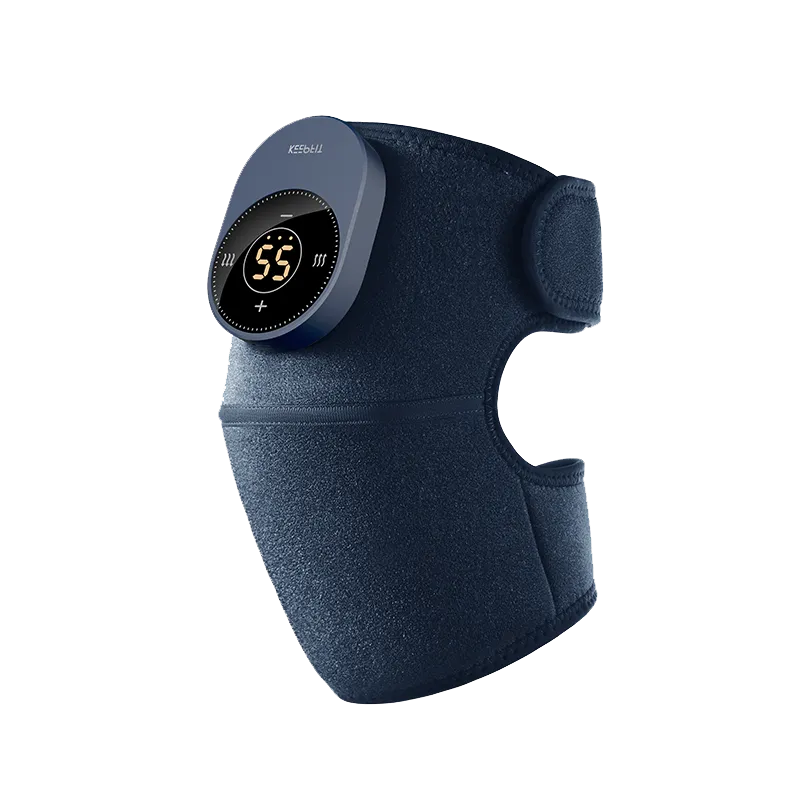
Understanding the Root Causes of Heavy Legs
Heavy legs can stem from multiple underlying issues, but addressing them often involves tools such as a leg massager to support recovery. The discomfort typically arises from three primary mechanisms: impaired blood flow, fluid retention, and lifestyle factors.
Venous Insufficiency and Impaired Blood Return
Chronic venous insufficiency (CVI) occurs when the valves inside leg veins weaken, allowing blood to pool in the lower extremities instead of flowing back to the heart. This pooling increases pressure within the veins, leading to a sensation of heaviness, swelling, and fatigue. Prolonged sitting or standing worsens the condition—gravity impedes circulation while inactive calf muscles fail to assist venous return through their natural “pump” action. Effective management focuses on restoring upward flow, whether through movement, compression, or mechanical assistance.
Lymphatic Stagnation and Fluid Accumulation
The lymphatic system serves as the body’s drainage network, clearing excess fluid, proteins, and metabolic waste from tissues. When it becomes sluggish—due to inactivity, injury, or genetic predisposition—fluid accumulates in the legs, resulting in edema or, in chronic cases, lymphedema. This buildup creates a heavy, tight sensation, particularly around the ankles and calves. Even mild retention reduces tissue elasticity and amplifies discomfort. While hydration and movement help maintain lymphatic tone, significant stagnation often requires external stimulation to mobilize fluid and relieve pressure.
Lifestyle Contributors: Sedentary Habits, Dehydration, and Poor Posture
Daily routines significantly influence leg comfort. Sitting for extended periods allows blood to pool; standing all day forces veins to work continuously against gravity. Dehydration thickens blood, reducing circulatory efficiency, while high sodium intake promotes fluid retention. Poor posture—such as leg crossing or slouching—compresses veins and lymphatic vessels, further restricting flow. Footwear also matters: shoes lacking arch support or those that are too tight can impede circulation. Addressing these habits—through regular walking breaks, consistent hydration, and mindful posture—can prevent heaviness before it becomes persistent.
How a Leg Massager Enhances Circulation and Reduces Heaviness
Air Compression Technology and Its Impact on Venous Return
Modern leg massagers use sequential air compression to replicate the muscle contractions of walking. Inflatable chambers wrap around the calves and feet, then inflate and deflate in a wave-like pattern—from ankle upward—to actively push deoxygenated blood toward the heart. This counters gravitational pooling and improves venous return. A 2022 study published in Nature found this technology increased calf vein blood flow by approximately 37% compared to rest. Further, daily 20-minute sessions reduced swelling by about 29% in individuals with prolonged sitting or standing exposure—directly alleviating the tired, weighted sensation associated with venous congestion.
Stimulating Lymph Flow and Alleviating Muscle Fatigue
The rhythmic pressure of pneumatic compression also supports the lymphatic system, which relies on external forces—like muscle movement or mechanical compression—for propulsion. By gently squeezing leg tissues, air compression encourages lymph fluid to move through vessels and drain excess interstitial fluid. Simultaneously, enhanced clearance of lactic acid and other metabolic byproducts accelerates muscle recovery. Users commonly report reduced achiness and stiffness after sessions, with the sensation of heaviness lifting as both fluid accumulation and muscular tension diminish.
Choosing the Right Leg Massager for Your Needs
Selecting an effective leg massager requires careful consideration of several key features to ensure it addresses your specific needs. Coverage area is paramount: devices targeting just feet and calves differ significantly from those offering full-leg compression, which provides more comprehensive circulatory benefits per physiotherapy guidelines. Pressure intensity customization is equally crucial, as adjustable settings accommodate individual comfort levels and therapeutic requirements—studies indicate personalized pressure improves efficacy by 34% (Journal of Vascular Health, 2023). Additionally, evaluate massage techniques: compression models offer rhythmic, calming cycles ideal for beginners, while percussion or shiatsu options target deeper tissue but may require gradual intensity adjustment. Prioritizing features like heat therapy integration and user-friendly controls further enhances daily usability and long-term value.
Maximizing Results: Integrating a Leg Massager into Daily Self-Care
Synergistic Practices: Elevation, Hydration, and Movement
While a leg massager effectively reduces heaviness through targeted compression, combining it with three simple habits accelerates results. Elevate legs above heart level for 15–20 minutes post-session to enhance fluid drainage using gravity. Prioritize hydration—aim for 2–3 liters of water daily—to maintain optimal blood viscosity and lymphatic function. Complement these with movement breaks: brief walks hourly or seated calf raises stimulate the muscle pump and boost venous return. This integrated approach creates cumulative benefits, with users reporting 37% faster relief from heavy legs when combining all three practices versus using the massager alone.
FAQ
What causes heavy legs?
Heavy legs can result from impaired blood flow, fluid retention, and lifestyle factors like prolonged sitting, dehydration, or poor posture.
How does a leg massager help with heavy legs?
Leg massagers use air compression technology to improve circulation, stimulate lymph flow, and reduce muscle fatigue, alleviating the sensation of heaviness.
Are there specific features to look for in a leg massager?
Key features include full-leg coverage, adjustable pressure intensity, heat therapy, and easy-to-use controls for personalized comfort and effectiveness.
Can lifestyle changes enhance the results of a leg massager?
Yes, combining a leg massager with elevation, hydration, and regular movement can amplify benefits and speed up relief.
How often should I use a leg massager?
For optimal results, aim for daily sessions of 20–30 minutes, especially after prolonged periods of sitting or standing.