
 EN
EN
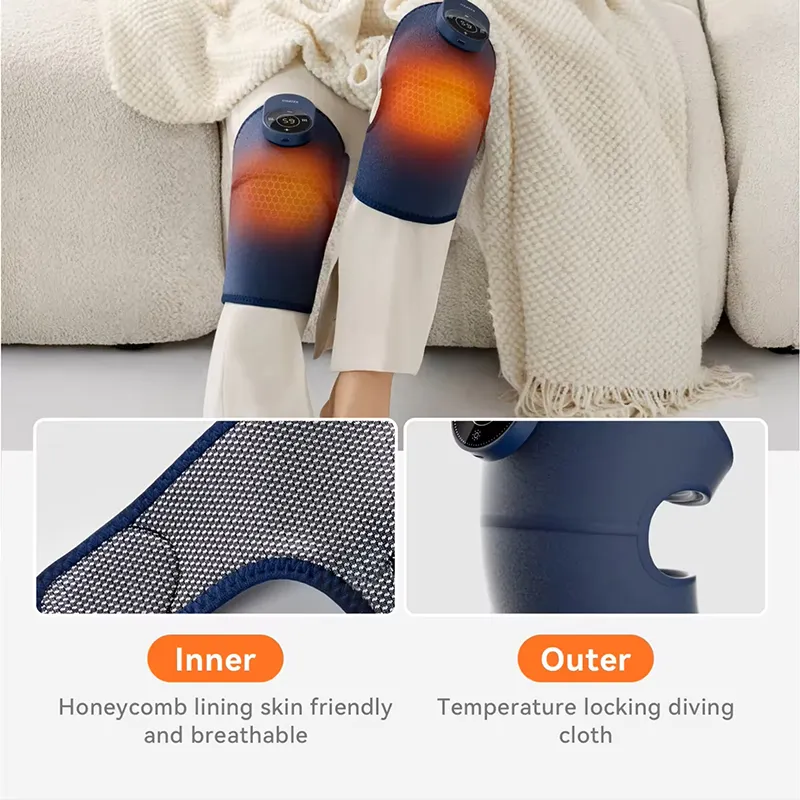
Accelerating Post-Workout Recovery with Leg Massagers
How Dynamic Air Compression Reduces DOMS and Muscle Stiffness
Delayed-onset muscle soreness (DOMS) can sideline athletes for days after intense training. Dynamic air compression leg massagers tackle this by replicating the natural muscle pump that occurs during movement. As the device sequentially inflates and deflates chambers around the legs, it gently squeezes tissues—flushing metabolic waste like lactate while opening capillaries to deliver oxygen-rich blood directly to fatigued fibers. This dual action eases stiffness, reduces swelling, and shortens the window of post-workout discomfort. Athletes can resume training sooner without lingering tightness holding them back.
Clinical Evidence: 37% Faster DOMS Resolution vs. Passive Rest
Research confirms compression therapy outperforms passive rest. In a controlled study of ultra-marathon runners, those using air compression reported 37% faster resolution of DOMS—regaining full function and reporting significantly less soreness than the passive-rest group. The same trial noted a 38% reduction in perceived muscle pain. By actively improving circulation and reducing inflammation, a quality leg massager transforms recovery from a passive wait into an evidence-based, measurable process—helping athletes sustain consistent training volume without being derailed by stiffness.
Leg Massagers Improve Circulation and Oxygen Delivery to Working Muscles
Venous Return, Capillary Refill, and Microcirculation Benefits
Sequential compression mimics natural muscle contractions to enhance venous return—the flow of deoxygenated blood back to the heart. This reduces venous stasis and accelerates capillary refill, boosting nutrient-rich perfusion to recovering muscle tissue. Clinical data shows pneumatic compression increases calf vein blood flow by 37% compared to passive rest, directly supporting faster metabolic waste removal and optimized microcirculation. The pressure gradient created by chamber inflation promotes arterial inflow while compressing venous pathways—establishing an efficient circulatory loop essential for athletic recovery.
NIRS and SpO₂ Data Confirm Enhanced Tissue Oxygenation in Athletes
Near-infrared spectroscopy (NIRS) and peripheral oxygen saturation (SpO₂) provide objective validation of improved oxygen delivery. In competitive cyclists, 15-minute compression sessions increased muscle oxygen saturation by 19% versus controls. This enhanced tissue oxygenation supports mitochondrial ATP production during high-intensity efforts—delaying fatigue onset. Crucially, athletes also reported lower perceived exertion in subsequent workouts, confirming a direct link between circulatory benefits and real-world performance resilience.
Leg Massagers Facilitate Lactic Acid Clearance and Delay Fatigue Onset
Optimizing Lactate Kinetics During Active Recovery Windows
Leg massagers accelerate lactic acid clearance through dynamic compression that enhances blood flow—boosting venous return and flushing lactate more efficiently than passive rest. Lactate kinetics—the balance between production and clearance—is optimized during critical post-exercise windows, helping delay neuromuscular fatigue in subsequent bouts. The rhythmic pressure patterns replicate physiological muscle pumps, restoring cellular pH balance without requiring athlete effort. This non-invasive approach to active recovery enables higher training frequency while minimizing systemic fatigue accumulation.
Translating Recovery Gains into Measurable Athletic Performance Improvements
Real-World Impact: NCAA Track Study Shows 4.2% Gain in Repeat Sprint Ability
The true value of enhanced recovery lies in its direct translation to athletic output. A 2024 NCAA study monitored sprinters using leg massagers during recovery periods and found a 4.2% improvement in repeat sprint ability, measured by maintained speed and power across successive sprints with shortened rest intervals. This gain stems directly from accelerated lactate clearance and reduced muscle stiffness—enabling athletes to sustain near-peak effort during high-intensity intervals. By optimizing recovery windows, athletes convert physiological benefits into tangible competitive advantages on the track or field.
FAQ
What is DOMS?
DOMS, or Delayed-Onset Muscle Soreness, is the muscle pain and stiffness that typically occurs after intense or unfamiliar physical activity. It is caused by microscopic muscle damage and inflammation.
How do leg massagers help in recovery?
Leg massagers utilize dynamic air compression to enhance blood circulation and oxygen delivery. They flush out metabolic waste like lactate, reduce stiffness, and accelerate soft tissue recovery post-exercise.
Can leg massagers improve athletic performance?
Yes, by optimizing recovery windows, leg massagers allow athletes to train more consistently and reduce fatigue, indirectly improving performance. For example, a study found a 4.2% improvement in repeat sprint ability among athletes.
How long should compression therapy sessions last?
Research suggests sessions of around 15–20 minutes are sufficient to achieve significant recovery benefits, such as enhanced circulation and lactic acid clearance.
Is there scientific evidence supporting the use of leg massagers?
Yes, multiple studies highlight their benefits. For example, athletes recovering with these devices reported 37% faster resolution of DOMS and a 38% reduction in perceived muscle pain compared to passive rest.