
 EN
EN
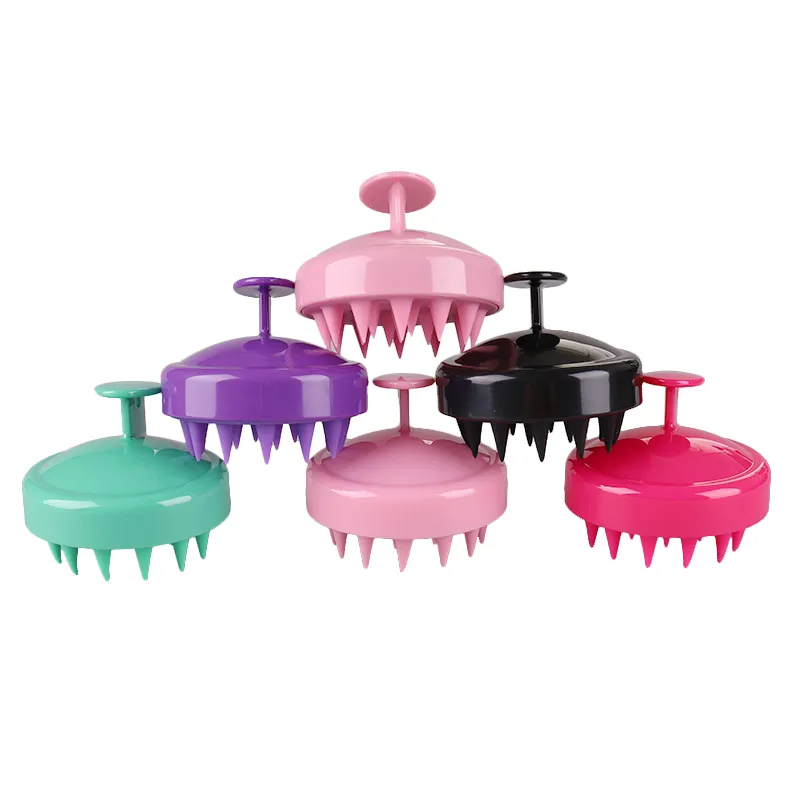
Why Sleep Quality Matters and How Scalp Stimulation Helps
Sleep disorders affect an estimated 30 percent of adults worldwide, and the search for non-pharmaceutical sleep aids continues to grow in both consumer and clinical markets. Among the tools gaining attention is the head massager—a device that applies gentle mechanical stimulation to the scalp to promote relaxation and prepare the body for rest. The mechanism behind this is straightforward: the human scalp contains a dense network of blood vessels and nerve endings that respond to tactile stimulation by releasing tension in the surrounding muscles and triggering the parasympathetic nervous system, which governs the body's rest-and-digest state. A head massager designed for sleep induction typically features soft silicone bristles or nodes that move across the scalp without causing discomfort, unlike harder plastic alternatives that may irritate sensitive skin. For retailers and importers sourcing sleep-related wellness products, understanding the physiological basis of scalp massage creates a foundation for product education and differentiation in a crowded market.
Choosing the Right Head Massager Design for Sleep Purposes
Not every head massager is equally suited for pre-sleep use. Several design characteristics separate effective sleep induction tools from general-purpose scalp massagers. The bristle material should be food-grade silicone with a durometer rating soft enough to avoid overstimulation—firm enough to engage circulation but yielding enough to feel soothing. Manual head massagers with a handheld ergonomic grip allow users to control pressure and speed according to their own comfort threshold, which is particularly important for individuals who find mechanical vibration too intense before bedtime. Electric models intended for sleep use should include low-intensity settings and an automatic shut-off timer, typically set between 5 and 10 minutes, to prevent overuse and allow the user to drift off naturally. Models such as the LMZ367 electric vibrating scalp massager and the LMZ176 manual silicone shampoo brush from manufacturers like Lohas Silicone Rubber illustrate how different product configurations serve distinct use cases. When sourcing, buyers should inquire about vibration frequency ranges—ideally below 100 Hz for relaxation modes—and confirm that the silicone material carries relevant safety certifications including FDA compliance for skin-contact products.
Step-by-Step Technique for Maximum Relaxation
Using a head massager effectively for sleep induction requires more than simply moving the device across the scalp. The technique matters, and retailers who can communicate proper usage instructions to their customers add value beyond the product itself. Begin by applying the head massager at the base of the skull where the neck muscles attach, using gentle circular motions for approximately 60 seconds to release tension accumulated from desk work or screen time. Move upward toward the crown of the head, maintaining light to moderate pressure and avoiding any scraping or dragging sensation that could cause irritation. Spend additional time on the temples and the area behind the ears, where the superficial temporal artery runs close to the skin surface and responds well to stimulation. The entire session should last between 5 and 8 minutes—long enough to trigger the relaxation response but short enough to avoid overstimulation. For electric head massagers with red light therapy, position the device so the light covers the hairline and crown evenly. Consistent use at the same time each evening helps establish a sleep routine, and many users report noticeable improvements in sleep onset latency after approximately two weeks of regular practice.
Material Safety and Hygiene Considerations for Nightly Use
Because a head massager intended for sleep induction may be used every evening, hygiene becomes a practical concern that directly affects both user safety and product longevity. Silicone stands out in this context because its non-porous surface does not absorb oils, sweat, or product residue the way fabric-covered or foam-based massage tools do. After each use, the head massager should be rinsed with warm water and mild soap, then dried thoroughly before storage—a process that takes under 30 seconds with silicone models but requires more care with alternative materials. For electric head massagers, the waterproof rating determines whether the device can be fully submerged or only wiped clean; IPX6 or higher ratings allow full rinsing, while lower-rated models require careful spot cleaning around the charging port. From a sourcing perspective, suppliers that can demonstrate a consistent silicone grade across production batches and provide material safety data sheets give retail buyers the documentation needed to address end-consumer safety questions. Manufacturers operating under ISO 9001-certified quality systems typically maintain batch-level traceability, which is especially relevant for products used on sensitive areas like the scalp.
Sourcing Case Example: Sleep Wellness Product Line Development
A North American sleep wellness brand identified an opportunity to expand from their existing pillow and bedding category into pre-sleep routine accessories. Their product development team researched head massagers and established three must-have criteria: food-grade silicone bristles, an ergonomic handheld design suitable for both wet and dry use, and customization options including brand color matching and logo placement. After evaluating several potential suppliers across Asia, they selected a Shenzhen-based manufacturer with documented ISO 9001 and FDA compliance, a dedicated in-house mold development team, and the ability to provide pre-production samples within 10 working days. The manufacturer recommended a bristle durometer of 40-50 Shore A for the optimal balance of stimulation and comfort, and provided third-party lab reports confirming REACH and RoHS compliance for the European market expansion planned for the following year. The initial production run of 5,000 units was delivered on schedule with consistent quality across all pieces, and the brand's product education content—which included instructional videos on the proper sleep induction technique—helped drive a reorder rate above 30 percent within the first quarter of retail placement.
Evaluating Head Massager Suppliers for Sleep Product Categories
When sourcing head massagers specifically for sleep and relaxation product lines, importers should apply additional scrutiny beyond standard quality checks. The supplier's ability to articulate the difference between general scalp massage products and those designed for relaxation and sleep preparation signals genuine category expertise rather than generic manufacturing capability. Key evaluation points include whether the factory can adjust bristle firmness and length to achieve specific tactile effects, whether they offer vibration motor speed customization for electric models, and whether their silicone raw material suppliers are certified to food-grade standards. Buyers should also assess the supplier's experience with consumer product safety regulations in their target markets—particularly CPSIA for the United States and GPSD for the European Union—as head massagers fall under personal care product categories that may trigger additional labeling and testing requirements. Finally, reviewing the supplier's existing client portfolio for sleep and wellness brands provides a practical signal of relevant experience, though buyers should note that confidentiality agreements may limit the detail suppliers can share about specific client relationships.
Frequently Asked Questions
How long before bed should I use a head massager for the best sleep results?
The optimal window is approximately 20 to 30 minutes before your intended sleep time. A 5 to 8-minute massage session allows enough time for the immediate relaxation response to take effect while leaving a natural wind-down period before lying down. Using the head massager too close to bedtime—especially an electric model with active vibration—may leave some users feeling slightly alert rather than drowsy. Consistency matters more than exact timing; using the device at roughly the same time each evening helps train your body to associate the sensation with sleep preparation.
Can a head massager replace other sleep aids like white noise machines or supplements?
A head massager works through a different mechanism than auditory or ingestible sleep aids and is best understood as a complementary tool rather than a direct replacement. While white noise machines mask disruptive sounds and melatonin supplements affect the body's circadian signaling, scalp massage acts on the peripheral nervous system to physically release muscle tension. Many sleep specialists recommend combining multiple approaches—for example, using a head massager during the wind-down routine while a white noise machine runs in the bedroom. This layered strategy can be more effective than relying on any single method.
Is it safe to use a silicone head massager on wet hair every night?
Yes, provided the head massager is made from food-grade silicone that is non-porous and designed for wet use. Silicone does not absorb water, so nightly use in the shower or on damp hair will not degrade the material or create conditions for mold growth, unlike natural loofah or fabric massage tools. However, for electric head massagers, always verify the waterproof rating before submerging the device. IPX6 or higher is recommended for regular wet use. After each session, rinse the device with clean water and allow it to air dry completely before storing.
Table of Contents
- Why Sleep Quality Matters and How Scalp Stimulation Helps
- Choosing the Right Head Massager Design for Sleep Purposes
- Step-by-Step Technique for Maximum Relaxation
- Material Safety and Hygiene Considerations for Nightly Use
- Sourcing Case Example: Sleep Wellness Product Line Development
- Evaluating Head Massager Suppliers for Sleep Product Categories
- Frequently Asked Questions