
 EN
EN
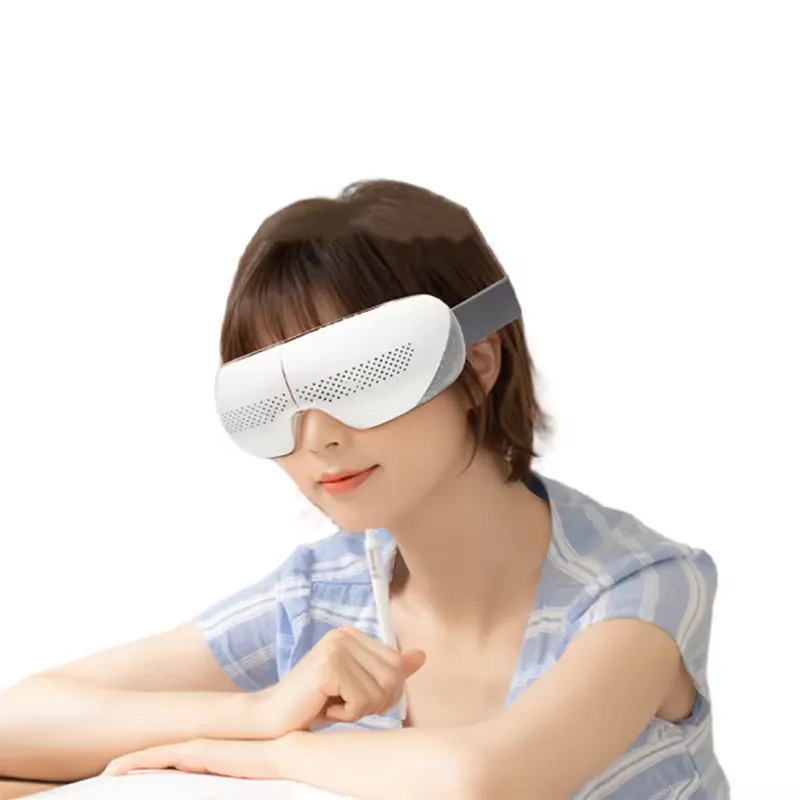
laxation eye massagers and those specifically engineered for dry eye management is critical: the latter must accommodate anatomical considerations including adjustable fit across different face shapes, temperature control precision, and materials that remain hygienic through repeated use on the sensitive periocular skin.
Material Requirements for Periocular Contact Products
The ski surrounding the eyes is approximately 0.5 millimeters thick—the thinnest on the human body—making material selection for eye massagers a safety-critical decision. Silicone has become the preferred material for the contact surfaces of eye care devices because it meets several requirements simultaneously. It is non-porous and resistant to bacterial colonization, which matters for products used near the eyes where infection risk is elevated. It can be formulated to specific durometer levels that provide cushioning support without excessive firmness. It withstands repeated exposure to cleaning solutions and warm water without surface degradation—important because eye massagers used for dry eye management often incorporate moist heat therapy and require frequent sanitization. Manufacturers such as Lohas Silicone Rubber produce silicone eye patches and related periocular products under ISO 9001-certified quality systems, with material compliance documentation including FDA and REACH certifications. For electric eye massagers with heating elements, the silicone contact layer must also demonstrate thermal stability at the operating temperature range, typically 38°C to 42°C for therapeutic warmth, ensuring the material does not release volatiles or change shape during use.
Essential Features for Dry Eye Relief Applications
When sourcing eye massagers specifically positioned for dry eye relief, several features separate clinically useful products from general wellness gadgets. Temperature-controlled warmth is the most important function—research indicates that heating the eyelid margins to approximately 40°C for 8 to 12 minutes effectively liquefies meibomian gland secretions and improves tear film stability. The heating element should provide consistent, evenly distributed warmth rather than hot spots that could cause discomfort. Adjustable headband fit accommodates different face widths and ensures the massager maintains gentle but consistent contact with the periocular area. For models that include vibration or air pressure massage, the intensity should be adjustable and the lowest setting should be genuinely gentle—some consumers with dry eye also have ocular surface sensitivity that makes aggressive pulsation counterproductive. An automatic shut-off timer, ideally programmable between 10 and 20 minutes, prevents overuse. From a retail perspective, products that include a washable or replaceable silicone contact cover address the hygiene concerns that consumers researching dry eye products typically prioritize, and this feature provides a natural accessory replenishment revenue opportunity for retailers.
Differentiating Product Categories in the Eye Care Segment
The eye care device market encompasses several overlapping categories that B2B buyers should understand to avoid positioning confusion. Reusable silicone under-eye patches—such as those in the silicone wrinkle patches product line from experienced manufacturers—represent the entry-level category: they provide a passive occlusive barrier that helps the under-eye skin retain moisture and can be used with serums or creams, but they do not include active heating or massage functions. Silicone eye masks with integrated gel packs offer a step up in functionality, providing cooling or warming therapy depending on whether they are refrigerated or heated before use. Electric eye massagers with programmable heat, vibration, and air pressure represent the premium category, offering the most comprehensive feature set but also requiring the most careful consumer education to ensure proper use. Retailers who stock products across these categories with clear differentiation in their merchandising and product descriptions help consumers self-select the appropriate solution, reducing the likelihood of returns from mismatched expectations. The key messaging distinction should emphasize what each product does rather than what it lacks—a silicone eye patch is not an inferior eye massager; it is a different tool for a different use pattern.
Practical Application: Developing a Dry Eye Product Collection
An Australian pharmacy chain identified an opportunity to expand their eye care aisle beyond traditional drops and supplements into devices. Their category buyer worked with a silicone product manufacturer to develop a three-SKU dry eye collection: a pair of reusable silicone under-eye patches positioned as an overnight hydration aid, a gel-insert silicone eye mask for warm or cool compress therapy, and a USB-charged electric eye massager with adjustable heat settings and an integrated timer. The manufacturer provided material safety documentation including biocompatibility test reports for the silicone grade used in the periocular contact surfaces, recommended the optimal operating temperature range based on published dry eye research, and created retail-ready packaging with clear differentiation between the three products' use cases and feature sets. The collection launched across 180 stores with point-of-sale educational materials explaining which product suited different dry eye severity levels, and first-quarter sales exceeded the category target by 18 percent. The pharmacy chain noted that the mid-tier gel mask generated the highest unit volume while the premium electric massager produced the highest dollar margin per unit—a pattern consistent with the good-better-best tiered assortment strategy.
Supplier Qualification for Eye Care Device Sourcing
Sourcing eye massagers and related periocular products requires a higher standard of supplier qualification than general personal care items, given the proximity to the eyes and the potential consequences of material or design failures. Begin by verifying that the manufacturer holds relevant quality management certifications—ISO 9001 as a baseline, with ISO 13485 for medical device quality management as a significant differentiator for suppliers serving markets where eye massagers may be regulated as medical devices. Request material safety documentation specific to the silicone grade used in eye-contact surfaces, including cytotoxicity testing per ISO 10993-5 and skin irritation testing per ISO 10993-10 where applicable. For products with heating elements, request thermal performance data showing temperature consistency across the contact surface and over the intended usage duration. Evaluate the supplier's experience with target market regulations: in the European Union, eye massagers with therapeutic claims may fall under the Medical Device Regulation (EU 2017/745); in the United States, the FDA's classification depends on intended use claims. Finally, assess the supplier's quality control process for the heating element assembly, as this component represents the primary functional risk point in electric eye massagers—request data on failure rates and warranty claim patterns for similar products in the supplier's production history.
Frequently Asked Questions
Can an eye massager cure dry eye syndrome?
An eye massager cannot cure dry eye syndrome, which is typically a chronic condition with multiple contributing factors. However, it can be an effective management tool as part of a comprehensive dry eye care routine. The combination of targeted warmth and gentle massage helps liquefy meibomian gland oils and stimulate their release, which improves the quality of the tear film's lipid layer and reduces tear evaporation. Most eye care professionals recommend using an eye massager alongside other interventions such as artificial tears, omega-3 supplementation, and environmental modifications rather than as a standalone solution.
How do I clean a silicone eye massager to keep it hygienic?
For manual silicone eye masks and patches, wash the silicone contact surfaces with mild soap and warm water after each use, rinse thoroughly, and allow to air dry completely before storing. For electric eye massagers, follow the manufacturer's cleaning instructions carefully—most models with removable silicone contact covers allow the cover to be washed separately while the device body is wiped with a slightly damp cloth. Never submerge an electric eye massager unless the manufacturer explicitly states it has a waterproof rating sufficient for immersion. Replace silicone contact covers according to the manufacturer's recommended schedule, typically every 3 to 6 months with daily use.
What temperature should an eye massager be for dry eye relief?
Clinical research on meibomian gland dysfunction treatment suggests an optimal temperature range of 38°C to 42°C (100°F to 108°F) applied to the eyelid margins for 8 to 12 minutes. Temperatures below 38°C may not effectively liquefy the meibomian secretions, while temperatures above 42°C risk discomfort and potential thermal injury to the delicate eyelid skin. When evaluating eye massagers for retail, look for models that specify their operating temperature range in the product documentation and include a thermostat-controlled heating element rather than a simple resistive heater that may produce inconsistent temperatures. The ability to adjust the temperature within the therapeutic range gives consumers flexibility to find their personal comfort level.
Table of Contents
- Material Requirements for Periocular Contact Products
- Essential Features for Dry Eye Relief Applications
- Differentiating Product Categories in the Eye Care Segment
- Practical Application: Developing a Dry Eye Product Collection
- Supplier Qualification for Eye Care Device Sourcing
- Frequently Asked Questions